-
-
-
 EUR
TPE vs Silicone Male Masturbator: Which Is Right for You?
2026-11-14
Short answer: TPE and silicone can both make a soft, comfortable male masturbator, but they suit different care routines. TPE usually feels very soft and flexible, while a suitable silicone product is generally easier to clean because silicone is less porous. For a first purchase, choose the material whose cleaning, drying and storage requirements you can follow every time.
This guide compares TPE and silicone male masturbators in plain terms. It covers softness, material safety, lubricant use, washing, drying and discreet storage so you can read a product label with more confidence. Every reusable product should be used by adults aged 18 and over and cared for according to its own instructions.
What is the difference between TPE and silicone sex toys?
 TPE means thermoplastic elastomer. It is a flexible material used for many soft adult toys because it can create a plush, skin-like surface and a forgiving stretch. The exact feel depends on the formulation, wall thickness and internal texture, so the label alone cannot predict how every toy will feel.
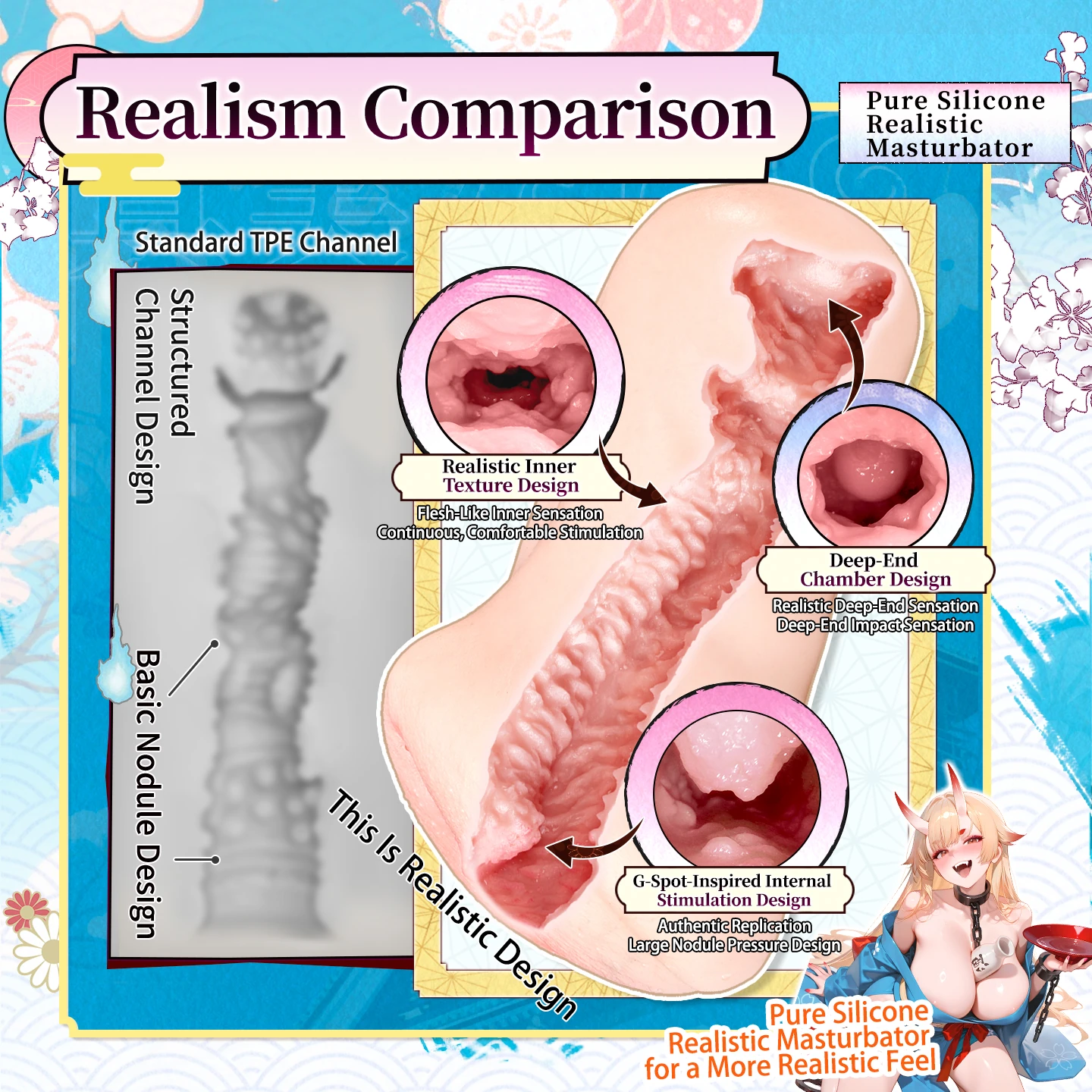
Silicone is a different material family. A well-made silicone masturbator can feel smooth, soft or slightly springy, depending on the design. Silicone is often chosen for reusable products because a suitable, non-porous formulation is easier to wash thoroughly. “Silicone” still needs to be read together with the manufacturer’s care instructions; a material name is not a substitute for product information.
Neither material is automatically the safest choice in every situation. The practical questions are whether the material and construction are clearly stated, whether the product is designed to be washable, which lubricant it accepts and whether you can dry and store it properly.
TPE vs silicone male masturbator: a quick comparison
| Point of comparison | TPE | Silicone |
|---|---|---|
| Typical feel | Very soft, flexible and plush | Soft to springy, depending on the design |
| Surface and texture | Can feel especially cushioned; texture varies by model | Can be smooth or textured with a clean, consistent finish |
| Cleaning routine | Wash after use and allow extra time to dry fully | Usually straightforward to wash when the product uses a suitable non-porous silicone |
| Storage needs | Keep dry, cool and separated from other materials | Keep clean, dry and protected from dust; follow the product instructions |
| Lubricant starting point | Water-based lubricant is the general starting point when listed as compatible | Water-based lubricant is the general starting point; check the product guidance |
| Best fit for | Buyers who prioritise a very soft feel and will follow a careful drying routine | Buyers who want a soft feel with a simpler wash-and-store routine |
 How does softness affect a first-time choice?
Many first-time buyers focus on softness because it is easy to understand from a product photo or description. TPE often has a plush, yielding feel that compresses readily around the body. That can be appealing if you prefer a cushioned sleeve and do not want a firm outer shell.
Silicone can also be soft. Some models feel more elastic or springy than TPE, and a thinner wall can feel very flexible. Other silicone designs are firmer because the material is supporting a structured shape or a feature such as heating. Look at the product description, internal dimensions and cleaning instructions together rather than treating “soft” as a complete specification.
For a first purchase, comfort also depends on size, opening shape, texture, grip and the amount of lubricant you use. A softer material does not automatically mean a better fit. If you are unsure, choose a washable design with clear instructions and a size that is easy to handle and clean.
Which material is easier to clean?
Silicone is often the easier material for a regular wash routine when the product uses a suitable non-porous silicone. The surface can usually be cleaned with warm water and a mild, unscented soap, then rinsed carefully. Follow the product instructions if they specify a different method.
TPE can still be washable and practical, but it deserves more attention after washing. Its softer surface may hold moisture in texture or seams for longer, so drying is part of the cleaning process rather than an optional extra. Do not put a TPE masturbator away while it is damp. A clean, dry towel and a ventilated place away from direct heat can help; never use a hairdryer or radiator unless the manufacturer specifically allows it.
Washable product design is useful, but “washable” does not mean “leave wet in a drawer”. If the sleeve has a removable insert, open it as far as the instructions allow so water can reach the surface. Do not force a product apart or submerge a powered item unless its instructions clearly say it is suitable for that use.
A practical TPE vs silicone care guide
1. Clean the product soon after use
Rinse away lubricant and residue with lukewarm water. Apply a small amount of mild, fragrance-free soap if the instructions allow it, then clean the exterior and accessible internal surfaces. Avoid abrasive sponges, strong cleaners, alcohol and products with added fragrance. These can damage the surface or leave residue.
2. Rinse until no soap remains
Soap left inside a sleeve can cause odour or irritation. Rinse carefully, paying attention to folds, textured areas and the opening. If the toy has electronics, keep water away from the control area unless the maker states that the product is water-resistant or washable in that way.
3. Dry every surface
Pat the outside with a clean, lint-free towel. Place the product in a clean, ventilated area and let hidden moisture evaporate before storage. TPE may need longer than silicone. Do not seal either material in an airtight pouch until it is completely dry.
4. Check the surface before storing
Look for a change in texture, unusual stickiness, cracks, tears or an odour that remains after cleaning. Stop using a product if it becomes damaged or causes discomfort. When in doubt, replace it rather than trying to repair the material with household glue or oils.
5. Store it separately
Use a clean storage bag or the packaging supplied with the product. Keep the masturbator away from direct sunlight, high heat, moisture and sharp objects. TPE products should be stored separately from other soft materials because surfaces can react when they touch for long periods. Silicone should also be kept clean and protected from dust and friction.
What lubricant should you use?
Water-based lubricant is the general starting point for the TPE and silicone soft masturbator line described by Dr.YUU, provided the product page or instructions list it as compatible. It is easy to rinse away and is a sensible option for a first-time buyer who wants a simple clean-up routine.
Do not assume that every lubricant works with every material. Oil-based products, silicone-based lubricants and unlabelled formulas may affect the surface or make cleaning harder. Read the product guidance before trying a different type. If the material or lubricant compatibility is unclear, ask the seller before use.
Is TPE or silicone safer?
There is no honest one-word answer. Safety depends on the actual formulation, the quality of the finished product, the condition of the surface, compatible lubricant and your cleaning routine. A clearly labelled, washable product that is cared for correctly is a better choice than an unknown material with vague instructions, regardless of the marketing label.
Check that the listing identifies the material, explains how to wash it and states which lubricant to use. Keep the product for personal use, do not share it without appropriate protection and stop if you experience pain, burning or persistent irritation. Those symptoms need proper medical advice rather than a change of cleaning product.
Which material suits a first-time buyer?
Choose TPE if your first priority is a very soft, cushioned feel and you are comfortable taking extra time to dry the sleeve completely. TPE can be a good fit for someone who enjoys a flexible texture and has a private, ventilated place to store it.
Choose silicone if you want a soft material with a more straightforward wash-and-store routine, provided the product uses a suitable silicone formulation and its instructions support that care. Silicone may also suit buyers who prefer a cleaner, less tacky surface after washing.
If you are still undecided, compare these four lines on the product page: material, washable design, lubricant compatibility and storage instructions. They tell you more about everyday ownership than a general promise of “premium softness”.
Common care mistakes to avoid
- Putting the masturbator away while the inside is still damp.
- Using oil, body lotion or a lubricant that the product instructions do not approve.
- Cleaning with bleach, alcohol, perfume or rough household products.
- Leaving TPE pressed against another soft toy for long-term storage.
- Using heat to speed up drying.
- Ignoring a sticky, cracked or damaged surface.
Where Dr.YUU products fit
Dr.YUU offers a TPE and silicone soft masturbator line with water-based lubricant compatibility and washable product designs. The store is for adults aged 18 and over, with discreet EU shipping. Use the product page to confirm the exact material and care instructions for the model you are considering.
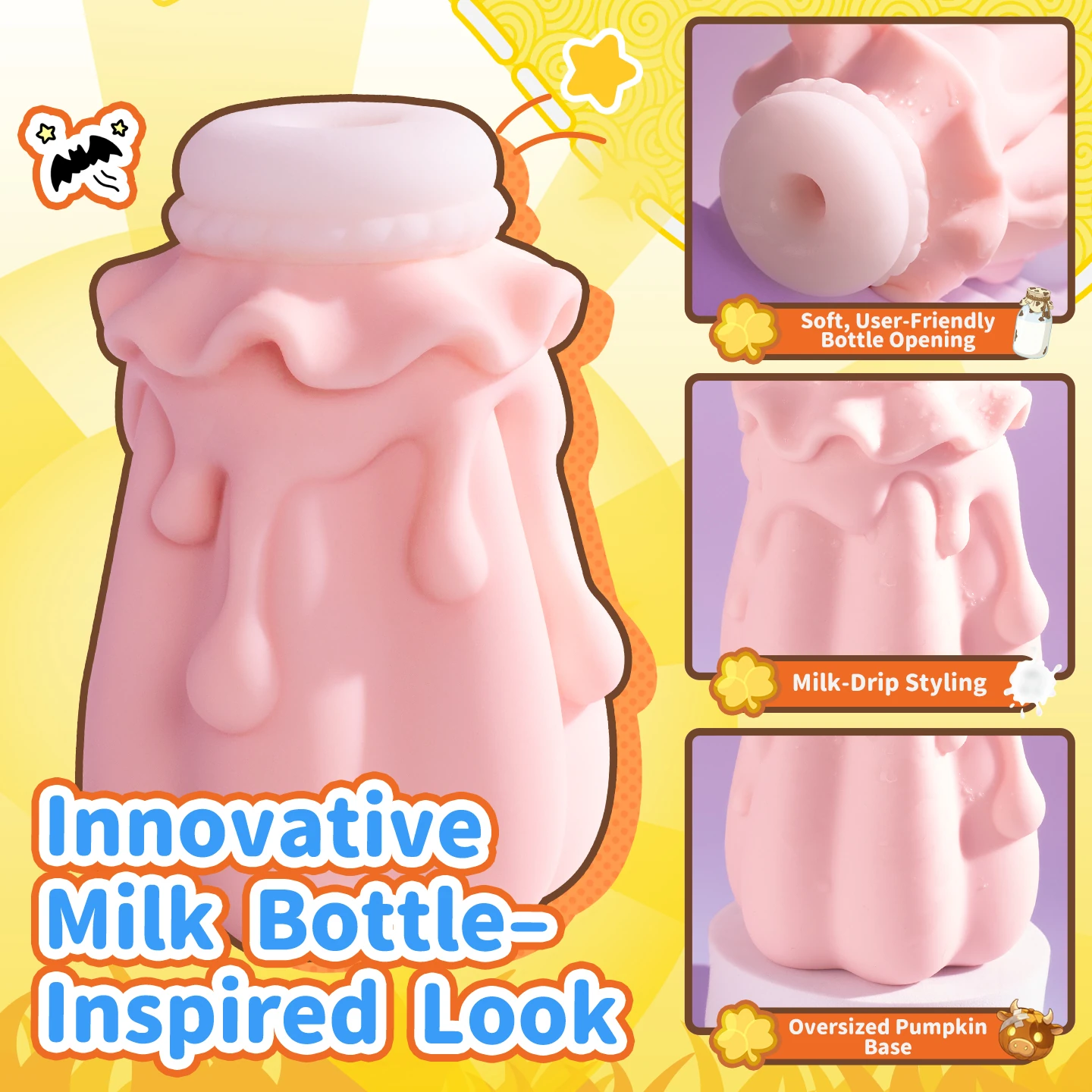
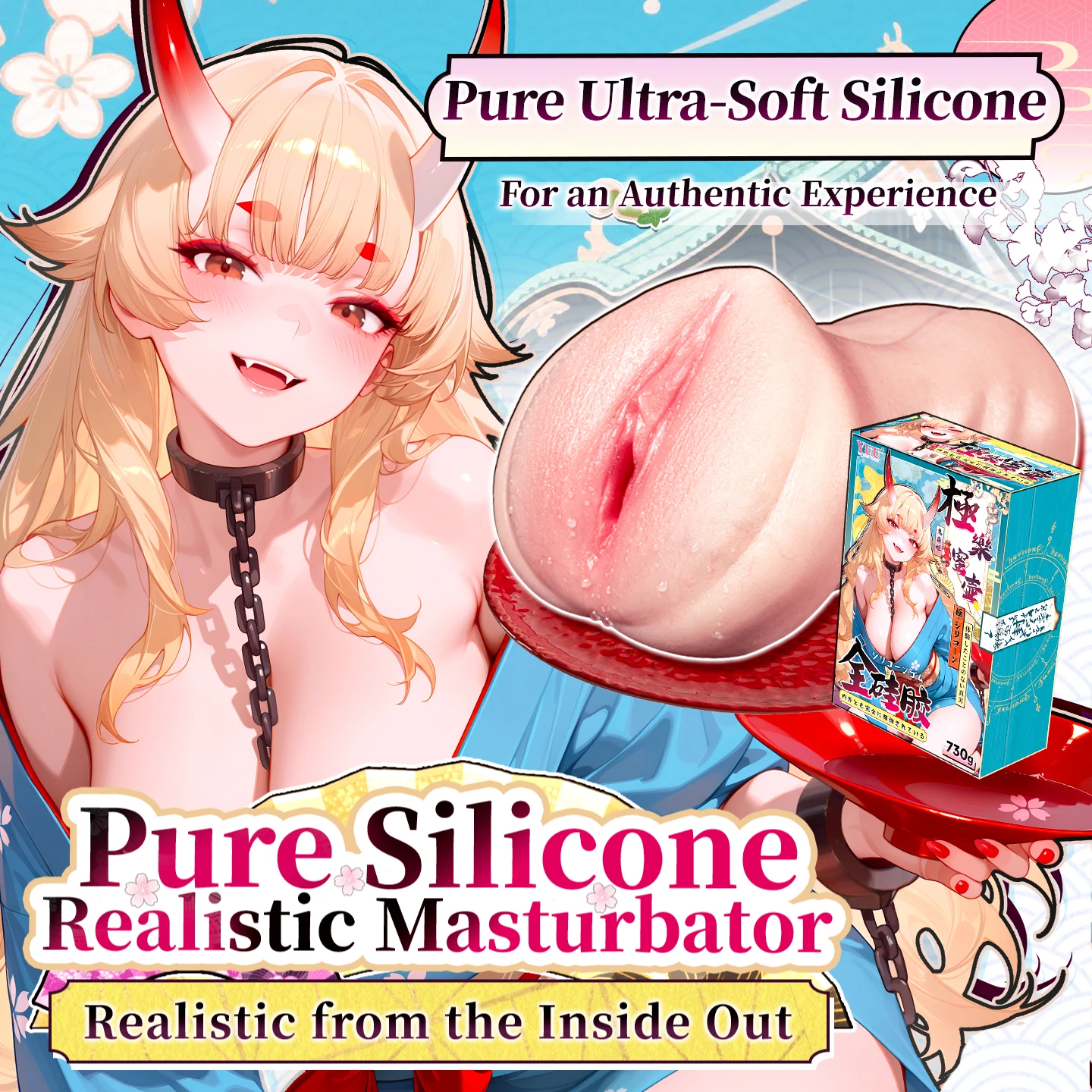
To compare a manual design in each material, start with the Nanami Milk Bottle Masturbator in TPE and the Oni-Inspired Silicone Masturbator. Check their dimensions, textures and individual care instructions alongside the material. For heated or powered designs, check separately which parts can be washed and which must stay dry.
Final decision: match the material to your routine
The best answer to “TPE vs silicone male masturbator” depends on what you will do after use. TPE is often the softer, more yielding option, but it rewards careful drying and separate storage. Silicone can offer a similarly soft experience with a simpler cleaning routine when the formulation is suitable and the product instructions support it.
For a first-time purchase, prioritise clear material labelling, washable construction, water-based lubricant compatibility and instructions you will actually follow. Clean the product after every use, let it dry fully and store it in a cool, protected place. That routine matters more than choosing a material based on a single word in the title.
Frequently asked questions
Can I use the same cleaner on TPE and silicone?
Use only a cleaner that the manufacturer recommends for the specific product. Mild soap and lukewarm water may be suitable for many washable designs, but the instructions for your model take priority.
Does TPE need more drying time than silicone?
Often, yes. TPE can retain moisture in soft textures and seams, so allow extra ventilation time and check that the inside is fully dry before storage.
Can I use silicone lubricant with a silicone masturbator?
Do not assume that it is compatible. Check the product instructions first. Water-based lubricant is the general starting point for the Dr.YUU products described in this guide when the listing confirms compatibility.
How should I store a TPE masturbator?
Clean and dry it completely, then place it in a clean bag or its original packaging. Store it separately from other soft toys, away from heat, sunlight, moisture and sharp edges.
When should I replace a soft masturbator?
Replace it when the surface is cracked, torn, permanently sticky, badly discoloured or still has a strong odour after cleaning. Stop using it sooner if it causes pain or irritation.